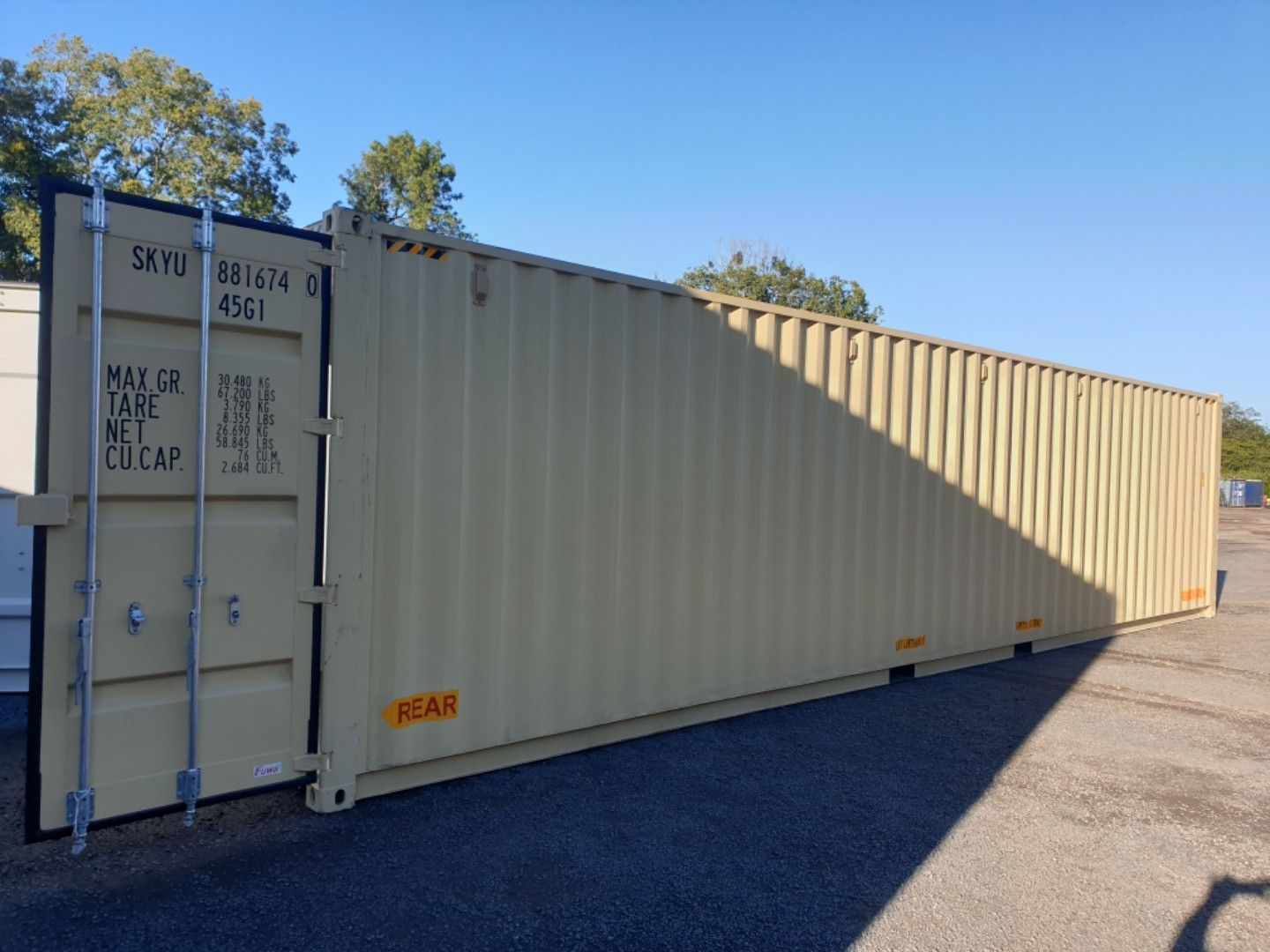
What to Inspect Before Buying a Used Shipping Container
Buying a used shipping container can be a smart, cost-effective decision for extra storage, a site office or the starting point for a creative conversion project. But not every container on the market is worth its price tag. Some have spent years exposed to salt air and harsh weather, and the wear that comes with that isn't always obvious at first glance. Knowing what to look for before you commit can save you from costly repairs and a whole lot of frustration down the track. This guide walks you through the key checks to make before signing anything.

Start With the Exterior: Rust, Dents and Surface Damage
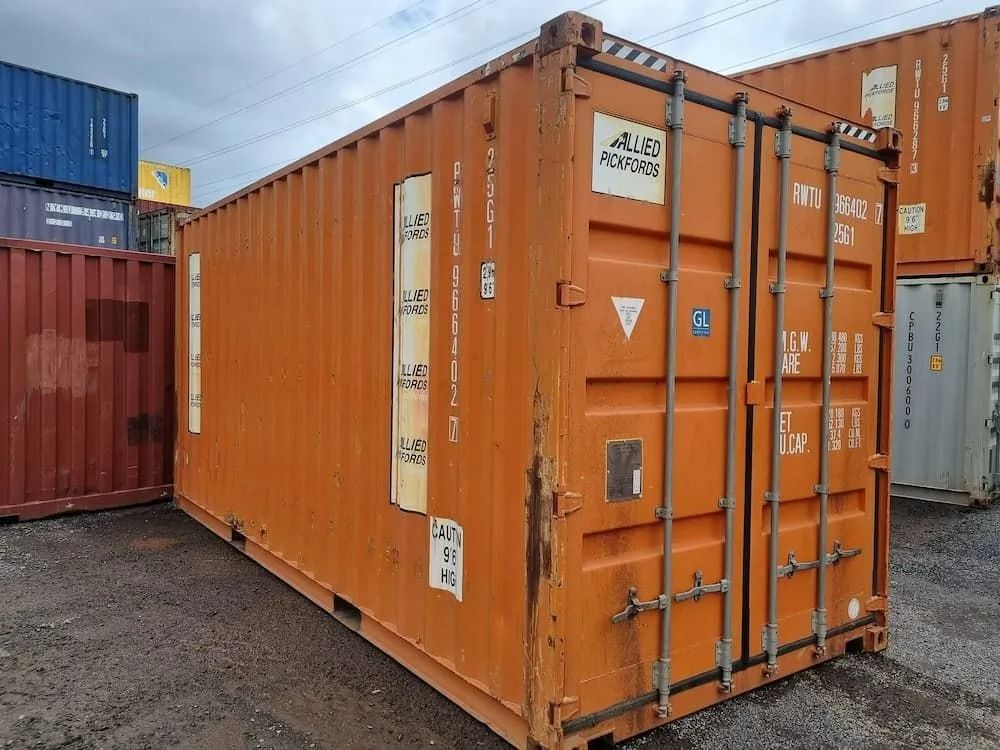
The outside of a container tells you a lot about how it's been treated. Begin by walking the full perimeter at close range, looking for rust, deep gouges or areas where the steel has been compromised.
Surface rust is common on used containers and doesn't always indicate a serious problem. The concern is when rust has eaten through the steel or formed around welds and seams, as that's where structural weakness begins. Pay attention to:
- Rust patches that are flaking, pitted or have created holes in the panel
- Damage along the bottom rails and corner castings, which bear the most load
- Any repairs or filler that may be concealing underlying damage
Dents are worth examining carefully. Minor handling dents are a normal part of a container's working life and rarely affect performance. Deep inward dents are a different matter, particularly if they affect the corrugated steel panels or sit near a corner post. Treat those as a red flag and factor potential repair costs into your decision before proceeding.
Check the Roof and Floor for Hidden Problems
water might pool after rain, as standing water accelerates corrosion and can cause leaks over time. Run your hand along the surface if you can safely reach it, feeling for soft spots or thin sections. Check for:
- Rust patches or perforations around roof seams
- Patches or sealant that may be masking an existing leak
- Bowing or deformation from impact damage
The floor is equally important if you plan to store goods directly on it. Most containers have hardwood timber floors that can absorb moisture and develop rot over time. Bounce gently at various points to check for softness and look for staining that may indicate water ingress or chemical spills. Any dark or uneven patches on the timber are worth probing further before committing.
How to Inspect the Door Seals and Locking Mechanisms
A compromised door seal is one of the most common sources of leaks, moisture build-up and pest entry. Start by examining the rubber gaskets that run around the full perimeter of each door. Healthy seals should be pliable and make firm contact with the door frame when closed. Look out for:
- Cracking, tearing or gaps in the rubber gasket
- Areas where the seal has pulled away from the door frame
- Compression damage that has flattened the seal beyond recovery
With the doors shut, check for any visible light around the frame from inside. Even a small gap will let in water. Test the locking bars and cam locks to confirm they engage smoothly without forcing.
Look Inside: Smell, Light and Structural Integrity
Step inside and take a moment before you start looking around. A strong chemical smell may indicate the container was used to transport hazardous goods, making it unsuitable for certain uses without significant remediation. A damp or musty odour often signals moisture getting in and is worth investigating further before committing to a purchase.
With the doors closed, check for pinpricks of light coming through the walls, roof or floor. Even a small hole is enough to let in water and vermin. Also assess:
- The condition of the internal wall lining and any existing fitout
- Whether the floor feels solid and consistent underfoot
- Visible rust on internal panels or crossmembers beneath the floor
How to Check for Water Ingress and Ventilation Issues
Water ingress isn't always easy to spot during a walkthrough. Beyond the door seals and roof, check the joins between the corner posts and roof panel, as these are common weak points where sealant can crack and lift over time. Signs of water ingress to look for include:
- Rust streaking on internal walls running downward from a fixed point
- Watermarks or tide lines on the floor or lower wall panels
- A persistently damp atmosphere inside the container
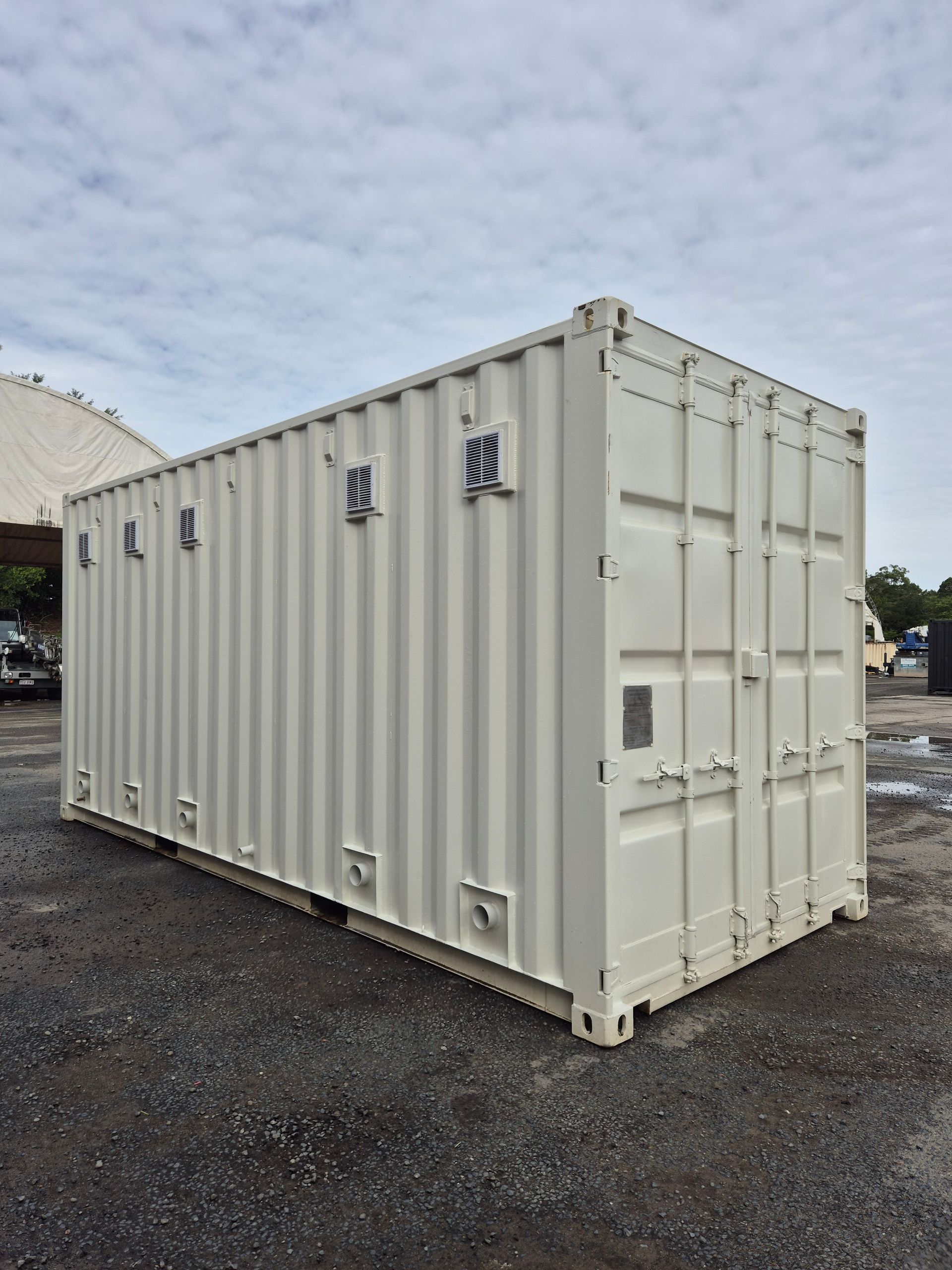
Ventilation is worth considering too, particularly if you plan to store goods that are sensitive to humidity. A container without adequate ventilation will trap warm air and cause condensation on internal steel surfaces, accelerating corrosion from the inside out. If vents are fitted, check they are intact and properly sealed against the frame.
New, Used and Refurbished: What the Difference Means for Buyers
Understanding the difference between container types helps set realistic expectations before you inspect. New or one-trip containers have completed a single overseas journey and arrive in near-new condition with minimal wear. A used shipping container has had a full working life at sea and will show the wear that comes with that, including surface rust, dents and patched repairs, making a thorough inspection essential. Refurbished containers have been assessed and repaired to a serviceable standard before resale, sitting somewhere between the two in terms of condition and price. When looking at a refurbished unit, always clarify:
- What repairs were carried out and when
- Whether the floor has been replaced or treated
- Whether the door seals and locking mechanisms have been serviced
Knowing which category you're buying helps you focus your inspection on the right areas and gives you a clearer basis for evaluating the asking price. A reputable supplier should be able to answer these questions clearly and provide documentation where relevant.
Buy With Confidence From a Trusted Local Supplier
We at
East Coast Containers are a trusted supplier of
shipping containers on the Sunshine Coast, helping customers find the right fit for every project and budget. If you're looking for a used shipping container, our team is happy to walk you through your options and answer any questions along the way.
Get in touch today to browse our range and find the right container for your needs.