Buying Shipping Containers for Construction Sites: What to Know
Construction sites rarely stay tidy for long; power tools, generators, safety gear and pallets of materials move in and out throughout the day. Without proper storage, that equipment sits exposed to weather, theft and constant relocation challenges. That’s why many project managers and contractors turn to shipping containers on the Sunshine Coast for dependable on-site storage. A solid steel container offers a practical way to protect equipment, organise materials and keep projects running smoothly across busy building sites.
Across Australia’s construction industry, container storage has become a familiar sight. From large infrastructure projects to residential builds, site storage containers serve as mobile workshops, lockable tool sheds and secure equipment lockers. They withstand tough site conditions and move easily as projects progress, making them a smart choice for builders and tradies alike.

Why Shipping Containers Have Become a Staple on Construction Sites
Walk onto almost any major construction project and you’ll likely spot a row of containers along the perimeter. Their popularity comes down to practicality. Builders need storage that stands up to harsh conditions and keeps valuable gear safe. Shipping containers tick those boxes with ease.
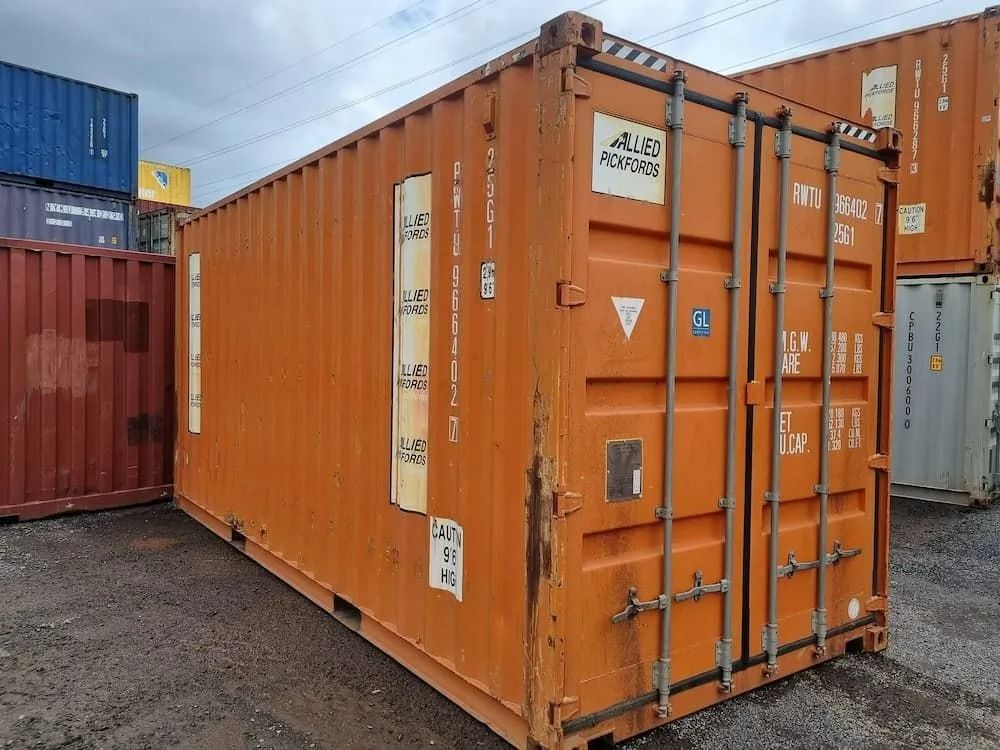
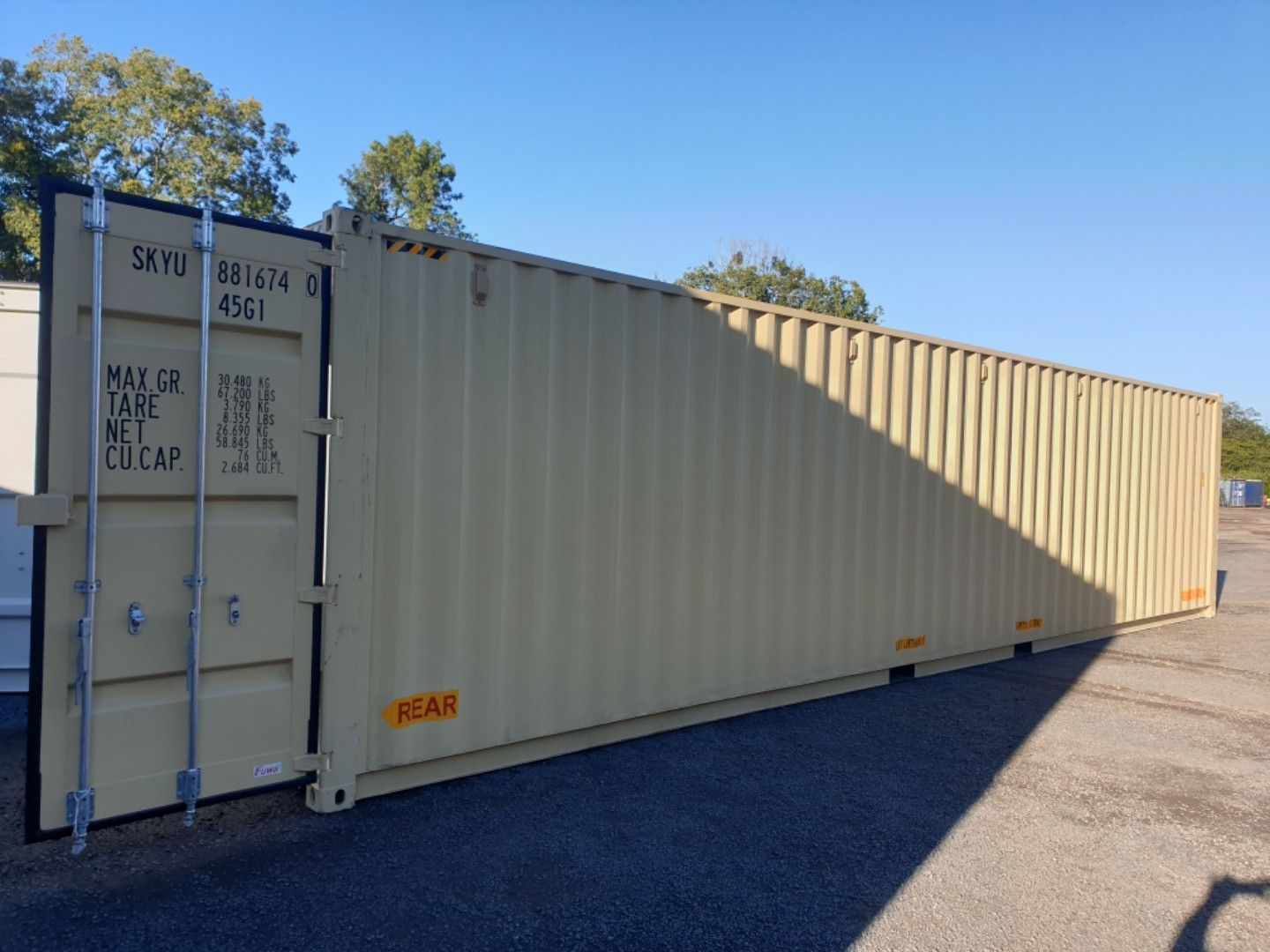
These steel units were originally designed to carry cargo across oceans, which means they already meet strict structural standards. When placed on a worksite, they handle everything from heavy rainfall to intense sun without compromising the contents inside.
Construction crews often use site storage containers for several purposes at once:
- Lockable storage for tools, equipment and spare materials
- Secure space for electrical gear, compressors and generators
- On-site workshops for cutting, assembling and repairs
- Storage for plumbing fixtures, timber, fittings and safety equipment
- Temporary storage for project documentation or surveying gear
Rather than spreading equipment across the site, a container centralises it. Workers know exactly where to find what they need, which cuts down wasted time and frustration.
There’s also a financial advantage. Losing tools or materials due to theft or weather damage can stall a project and inflate costs quickly. Containers reduce that risk dramatically.
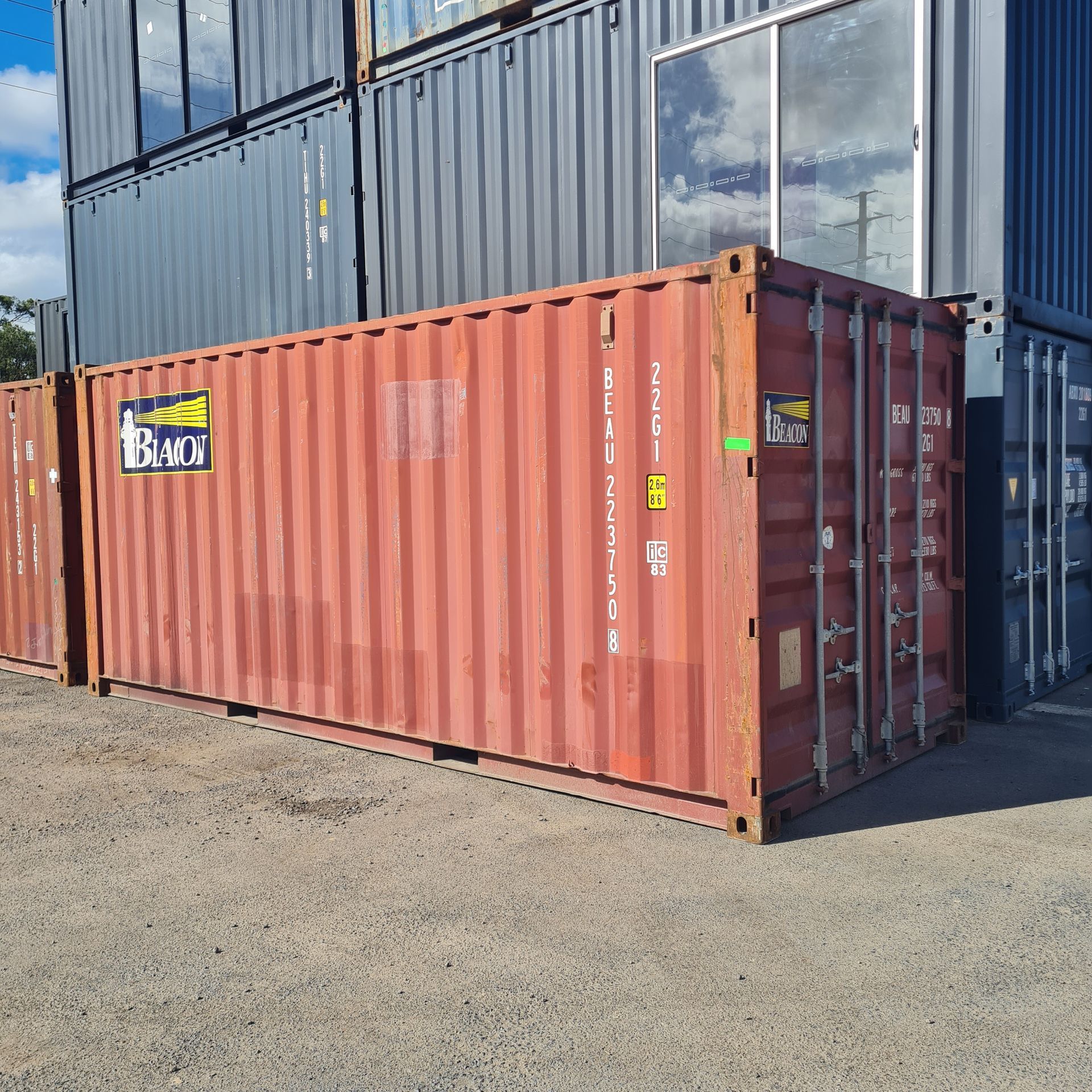
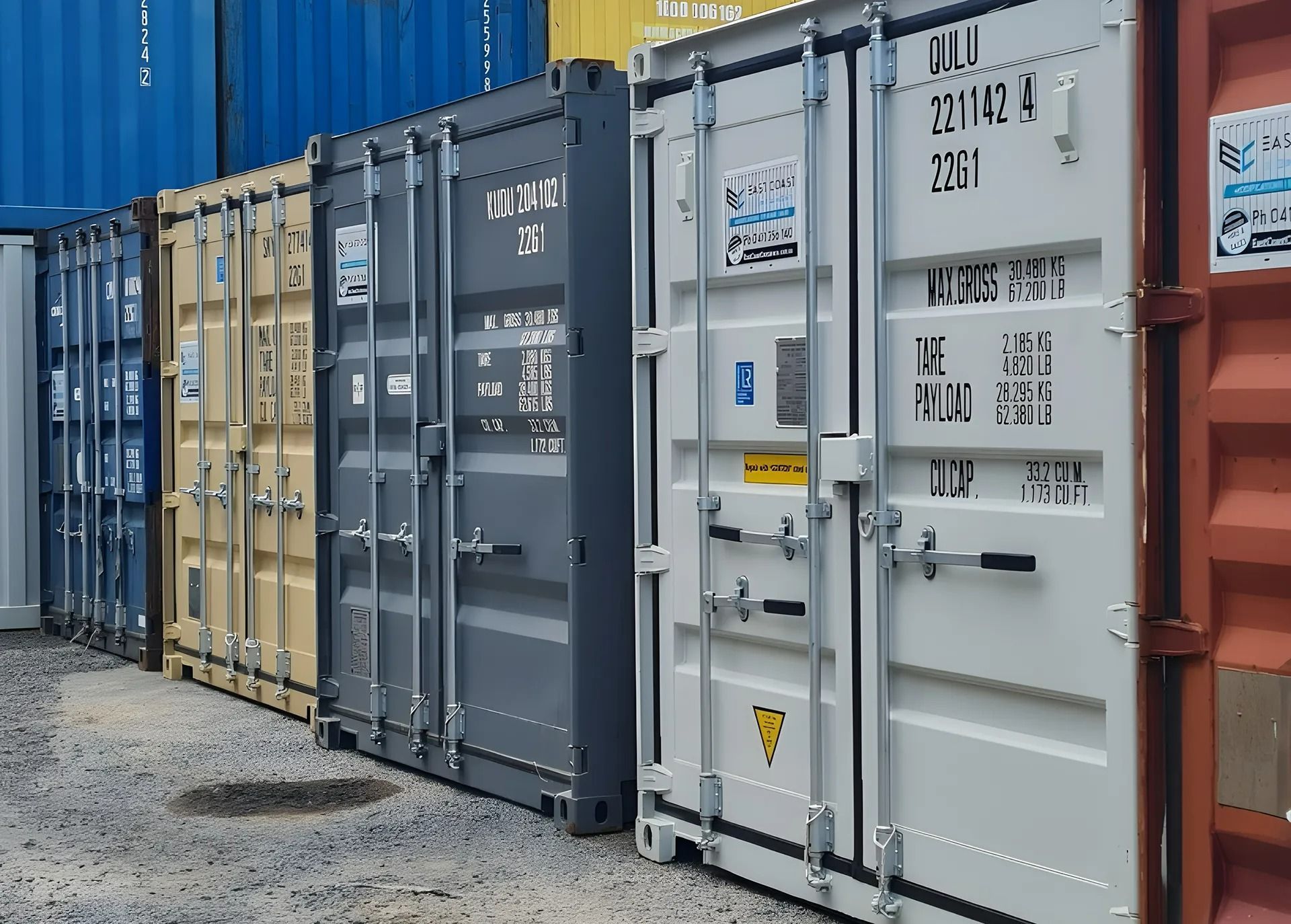
A new shipping container, often called “one-trip” because it has only made a single journey, offers the highest standard of quality. These containers are clean, structurally sound, and free from dents or corrosion. Key benefits include:
- Longer lifespan thanks to fresh materials and coatings.
- Compliance with the latest safety and transport standards.
- Ideal condition for modifications, such as converting into offices or accommodation.
For businesses planning long-term use or anyone considering modifications, new containers provide peace of mind and value that lasts for years.
Built for Harsh Conditions: Durability Matters on a Worksite
Construction environments aren’t gentle. Equipment gets dragged across gravel, heavy machinery vibrates nearby and weather conditions change rapidly. Fortunately, site storage containers are built for this kind of punishment.
The heavy-duty steel walls resist dents, corrosion and impact from daily site activity. Unlike lightweight storage sheds, these containers don’t buckle under pressure or deteriorate after exposure to the elements. Their durability comes from several design features:
- Corrugated steel walls that strengthen the structure
- Marine-grade flooring built to handle heavy cargo loads
- Weather-resistant seals that protect contents from rain and dust
- Wind-resistant construction that stands firm during storms
This strength allows containers to sit on open job sites without needing complex foundations. Builders often place them directly on compacted soil, gravel pads or concrete slabs.
Another benefit lies in long-term value. Even after years of use across multiple projects, a well-maintained container still performs its core job: protecting equipment.
For contractors juggling multiple builds across Queensland, investing in durable site storage containers often proves more cost-effective than repeatedly replacing temporary storage options.
Can Shipping Containers Be Moved Easily Between Job Sites?
One of the biggest advantages of container storage involves mobility. Construction rarely stays in one location. As projects wrap up, equipment moves to the next job. Containers fit perfectly into this workflow because they transport easily using common freight equipment.
A standard container can be relocated using:
- Tilt tray trucks
- Side loader transport vehicles
- Crane lifts
- Flatbed trailers
Because shipping containers follow international sizing standards, transport operators already know how to move them safely. This standardisation makes relocation quick and predictable. So when a project finishes, crews simply load tools and equipment inside, lock the doors and arrange transport to the next site. Everything arrives together, eliminating the hassle of moving dozens of smaller storage units.
Relocation also helps with site planning. Early in a project, shipping containers on the Sunshine Coast might sit near the entrance for easy deliveries. As construction progresses, crews can reposition them closer to the active work zone. This flexibility explains why contractors often rely on site storage containers across multiple builds each year.
Are Shipping Containers Secure Enough for Overnight Storage?
Security remains one of the biggest concerns on construction sites. Tools and equipment represent major investments, and theft can disrupt work schedules instantly. Shipping containers on the Sunshine Coast offer a high level of protection thanks to their heavy steel construction and reinforced locking systems.
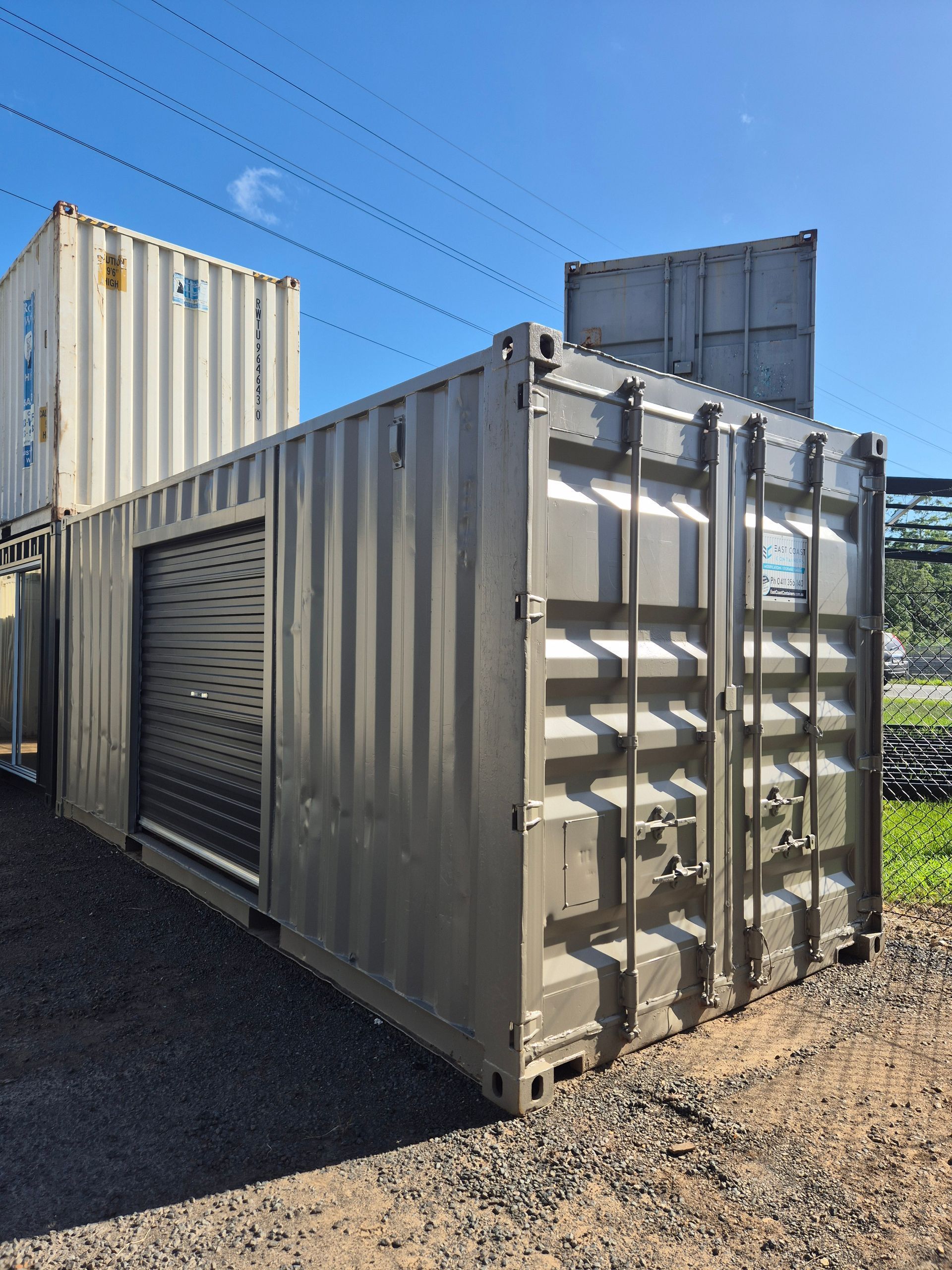
Unlike plastic or timber sheds, containers resist forced entry. Their solid steel doors and internal locking bars make break-ins far more difficult. Builders often add additional security measures for extra protection:
High-security padlocks with hardened steel shackles
Lock boxes that shield padlocks from bolt cutters
Alarm systems or GPS trackers
Motion-sensor lighting around the container area
Site fencing and security cameras
These additions transform a container into a secure overnight storage hub. Many contractors store valuable gear inside overnight, including:
- Power tools
- Welding equipment
- Survey instruments
- Safety gear
- Electrical supplies
Because containers remain weatherproof and vermin-resistant, equipment stays protected from both theft and environmental damage. This level of security explains why many project managers prioritise container storage during early site setup.
More Than Storage: Containers as Multi-Purpose Workspaces
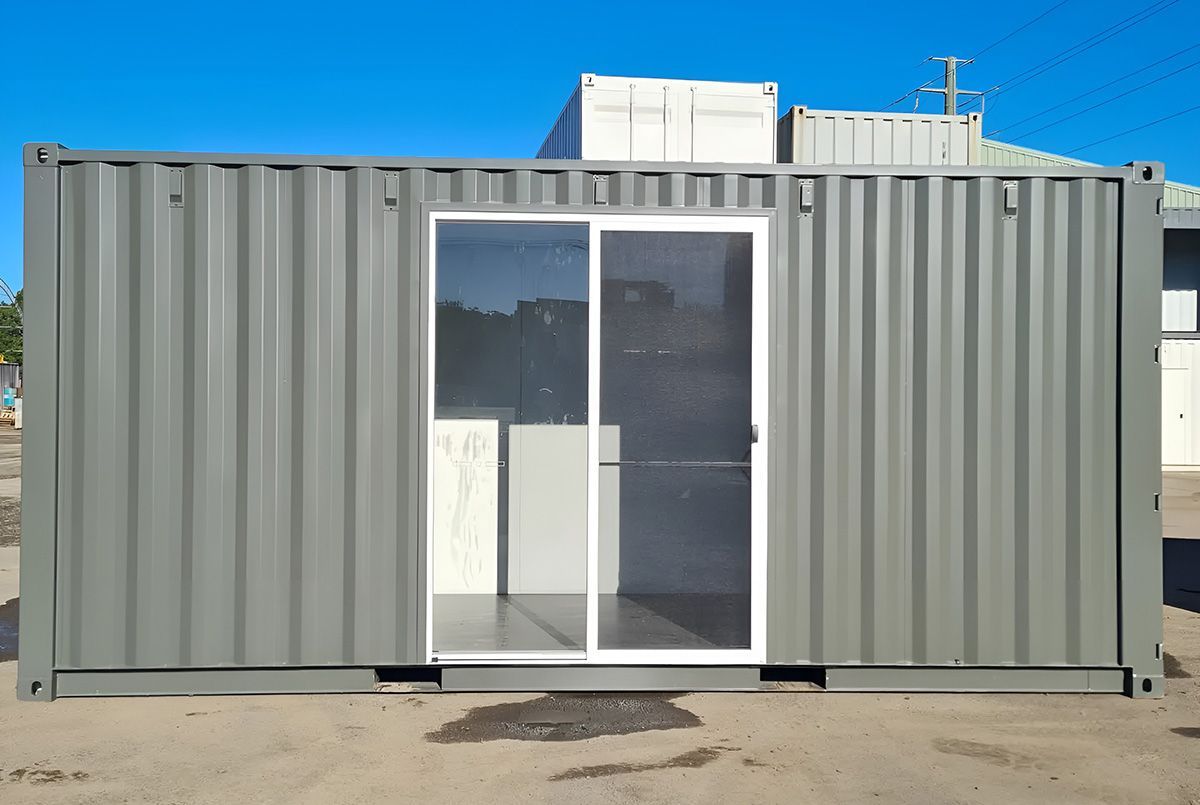
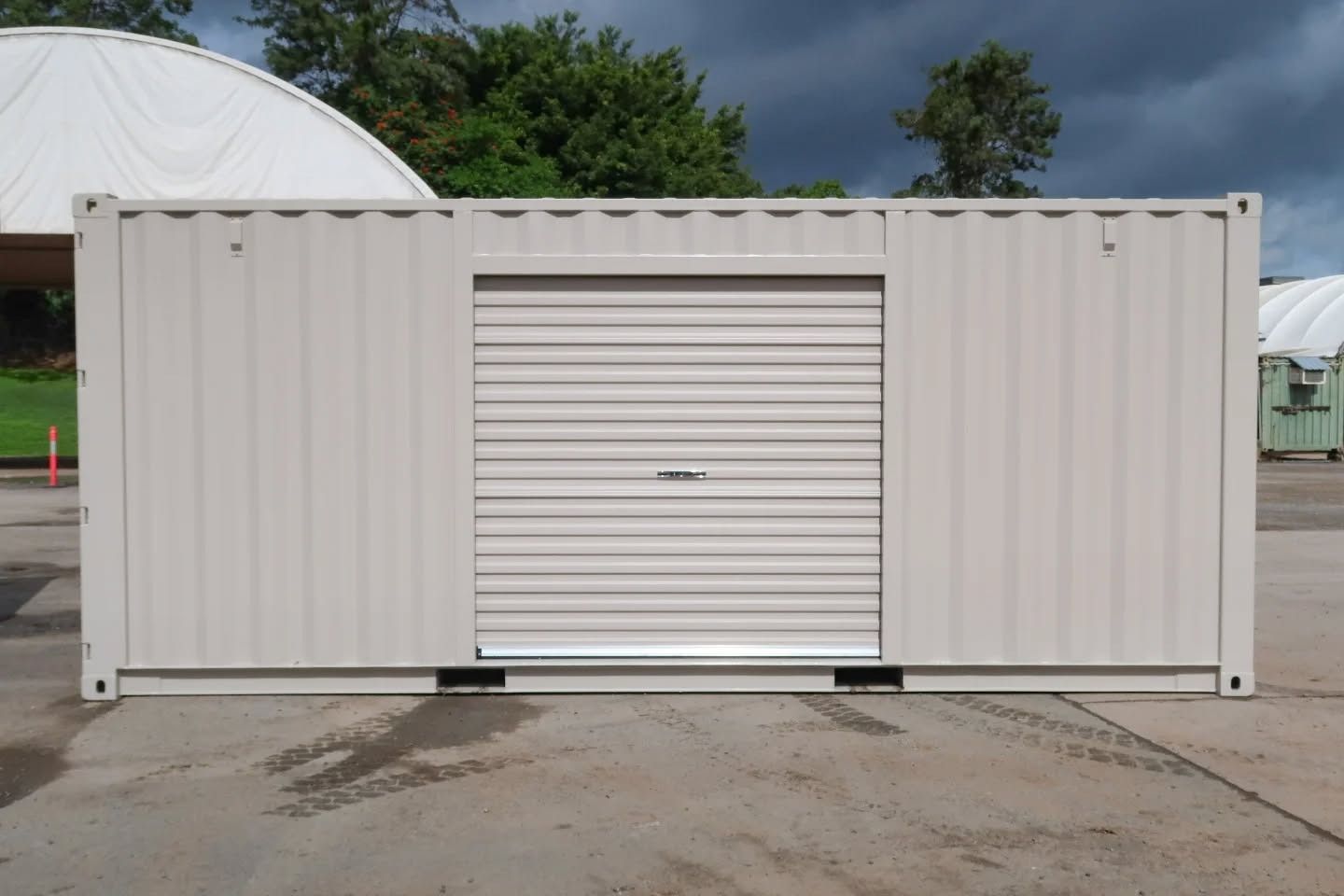
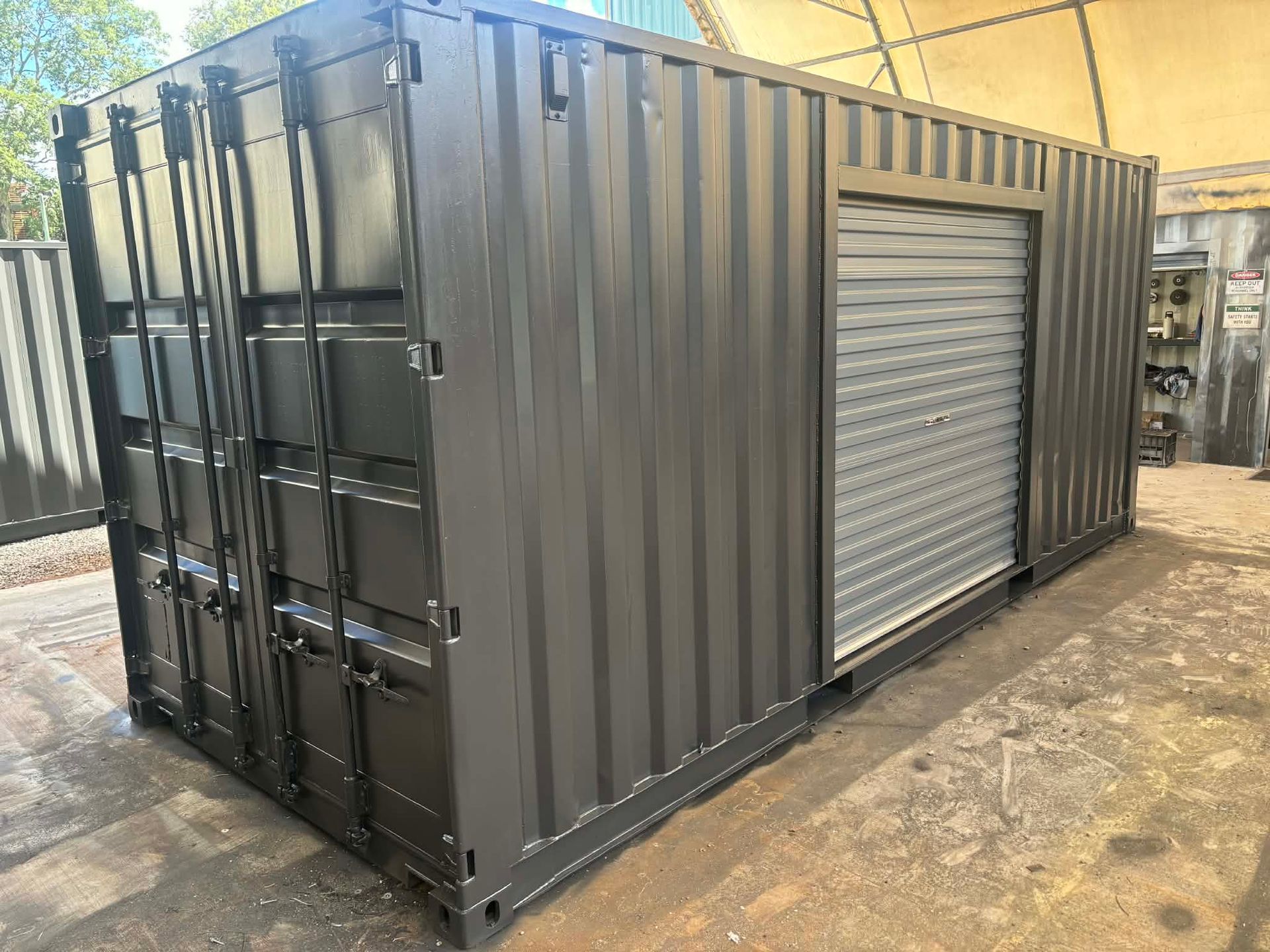
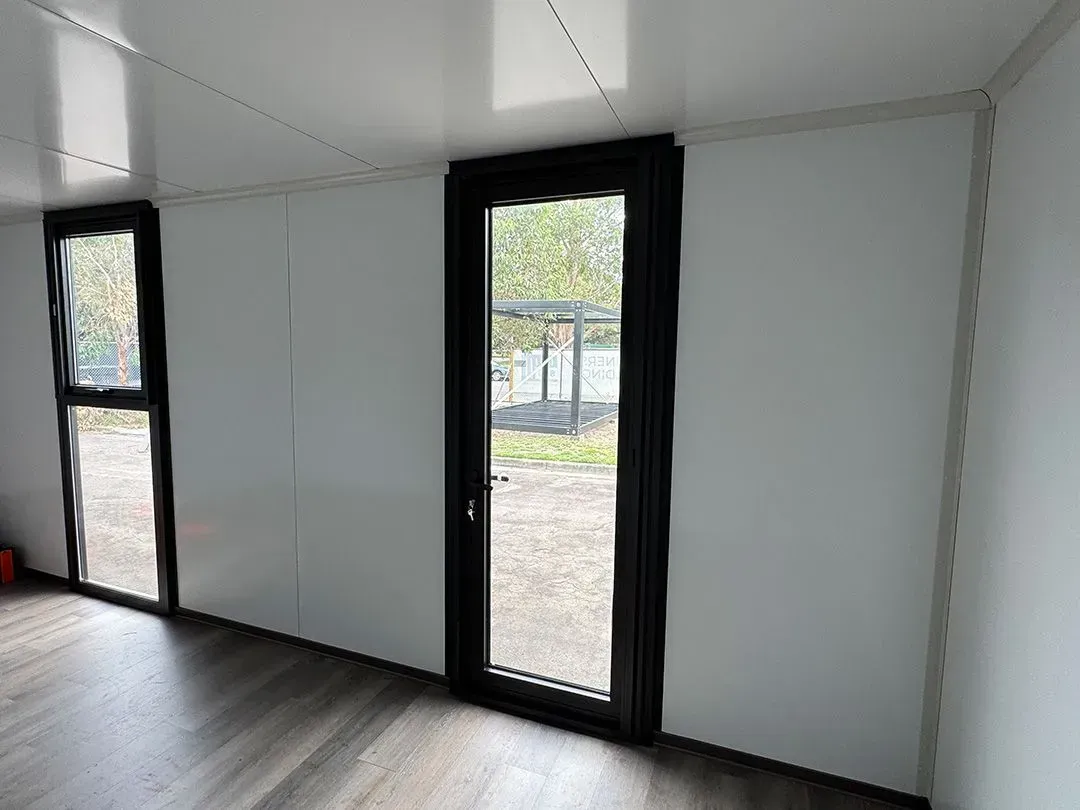
While storage remains the most common use, construction teams increasingly modify containers to serve multiple purposes on-site. With basic alterations, containers transform into functional workspaces that improve site organisation.
Common conversion options include:
- Site offices for project managers and supervisors
- Tool workshops with workbenches and shelving
- First aid rooms for worker safety
- Secure document storage rooms for project plans
- Equipment charging stations for battery-powered tools
Adding ventilation, insulation and electrical outlets creates a comfortable working environment inside the container.
For larger projects, builders sometimes combine multiple units into larger site offices or meeting spaces. This modular flexibility allows construction teams to expand or reconfigure site facilities as projects evolve. These adaptable uses explain why site storage containers remain valuable beyond simple storage.
Choosing the Right Container Size for a Construction Project
Not every site requires the same storage capacity. Choosing the correct container size helps maintain efficiency and keeps the site organised. The most common options include:
10-foot containers
Compact and easy to position. Ideal for smaller residential builds where space remains limited.
20-foot containers
The industry standard for construction storage. Offers enough room for large tool collections, materials and equipment.
40-foot containers
Best suited for large commercial projects or sites that store bulk materials. Provides significant capacity for equipment and supplies.
Builders often start with one container during early construction phases, then add more as materials and equipment accumulate. Careful planning around container placement also improves site workflow. Positioning storage near active work zones reduces time spent walking across the site for tools and materials.
The Bottom Line: Practical Storage That Moves with Your Project
Construction sites demand storage that handles rough conditions, protects valuable equipment and adapts to changing project layouts. Shipping containers on the Sunshine Coast meet all three needs through durability, security and mobility.
Their strong steel construction keeps tools safe from weather and theft. Their standardised design allows easy relocation between job sites. And their flexibility supports multiple uses, from tool storage to temporary site offices. For builders and tradies working across Queensland, dependable site storage containers help maintain order on busy sites while protecting the tools that keep projects moving.
For contractors searching for shipping containers on the Sunshine Coast, East Coast Containers supplies durable units suited to construction and trade environments. If your next project needs secure storage that relocates easily between sites, contact their team to discuss container options and delivery across the Sunshine Coast.