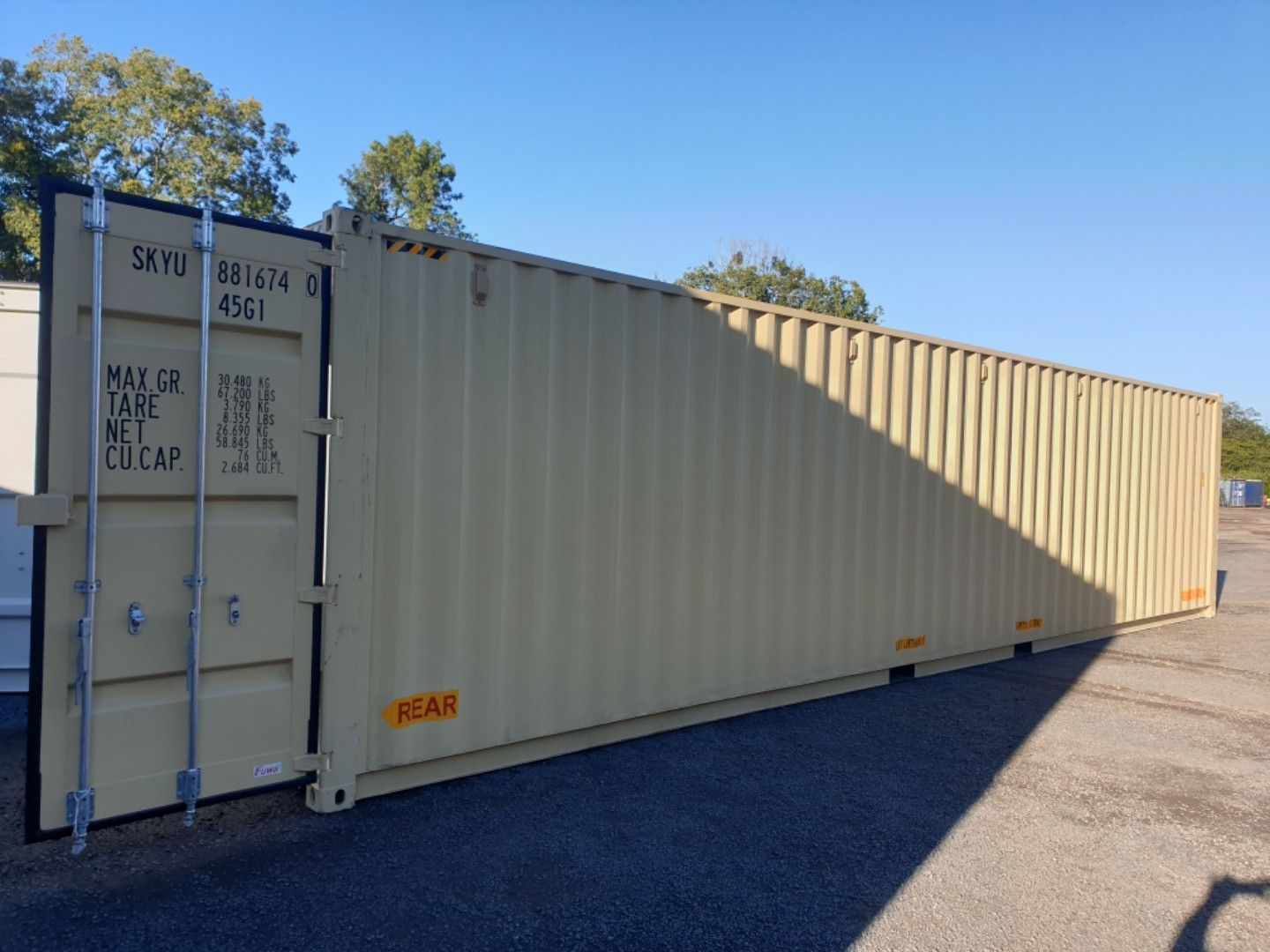
Shipping Containers vs Sheds: Which Is Better for Sunshine Coast Properties?

East Coast Containers • May 13, 2026

Choosing between a container and a shed sounds simple until you compare what each one actually offers. On the Sunshine Coast, the better option usually depends on how quickly you need the space, what you want to store or use it for, how much site work is involved, and whether you need something basic or customised.


For many owners, the decision comes down to practicality. Some want secure, weather-resistant storage with fast delivery and minimal setup. Others want a larger, more open structure. If you are weighing up storage containers on the Sunshine Coast against a traditional shed, it helps to compare cost, approvals, installation time, durability, and long-term flexibility.


Start With What You Need the Space to Do

The first question is not which option is cheaper. It is what you need the space to do. A container and a shed can both provide storage, but they work differently once you think about access, layout, and frequency of use.


If the priority is secure storage for tools, stock, equipment, furniture, or site materials, a container often suits because it arrives enclosed and lockable. If the priority is vehicle storage, workshop use, or open internal space, a shed may be the better fit.


It helps to clarify:

  • whether you need storage only or a working space
  • whether access is occasional or frequent
  • whether the structure may need to be moved later


That starting point usually makes the rest of the comparison much easier.


Are Containers Cheaper Than Sheds? It Depends on the Setup

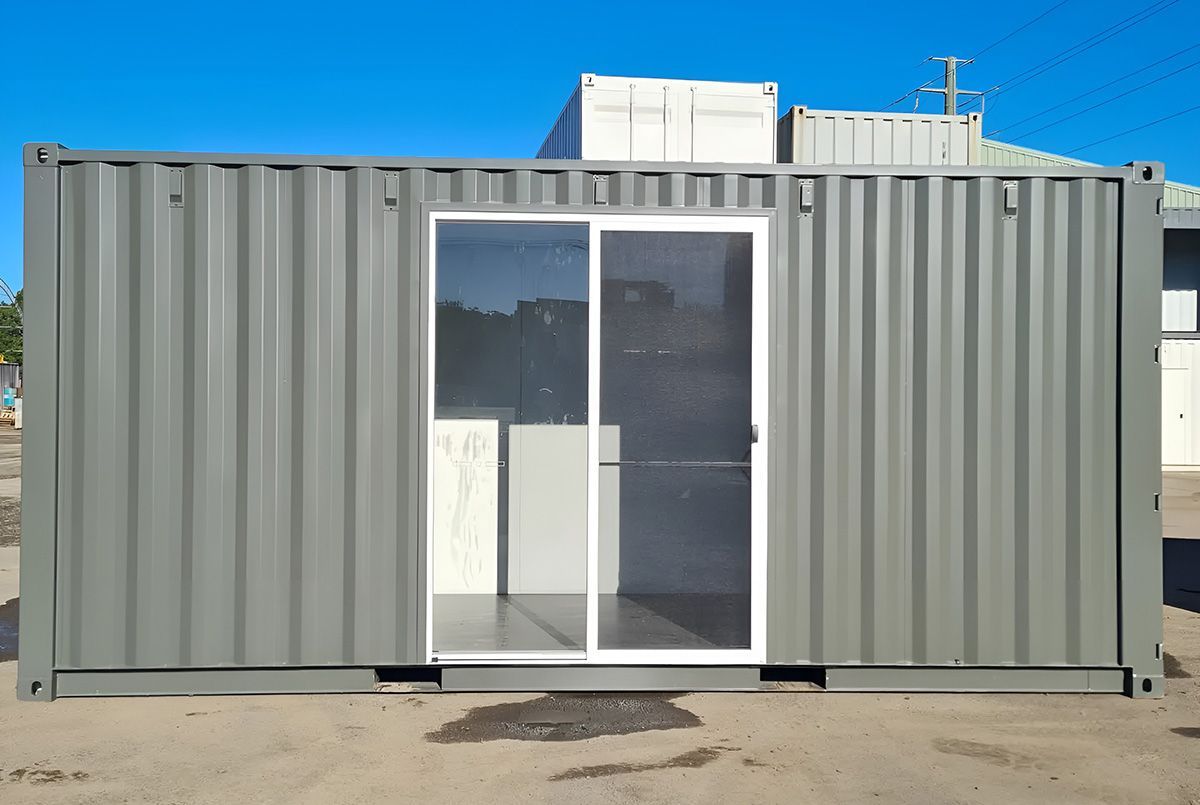
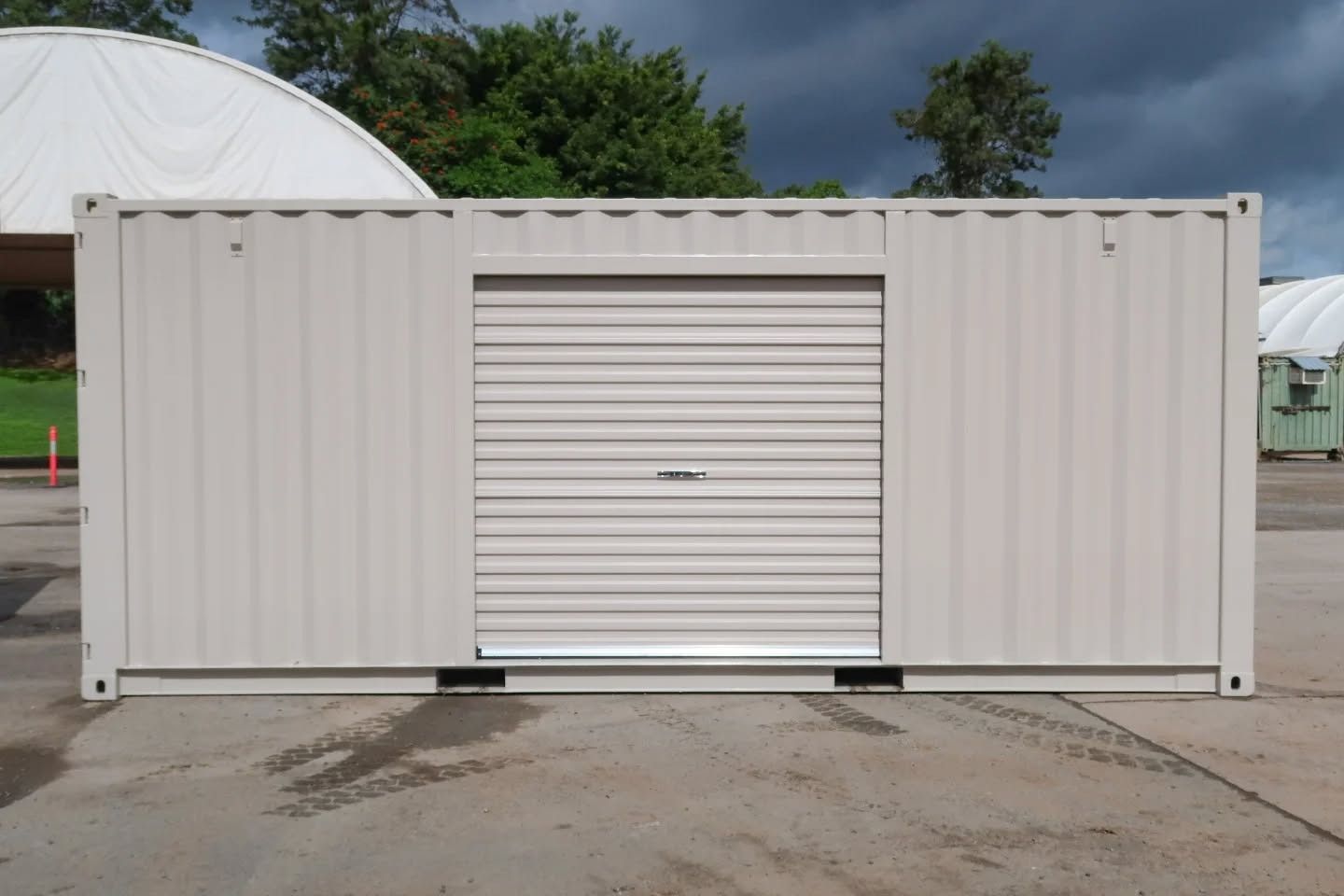
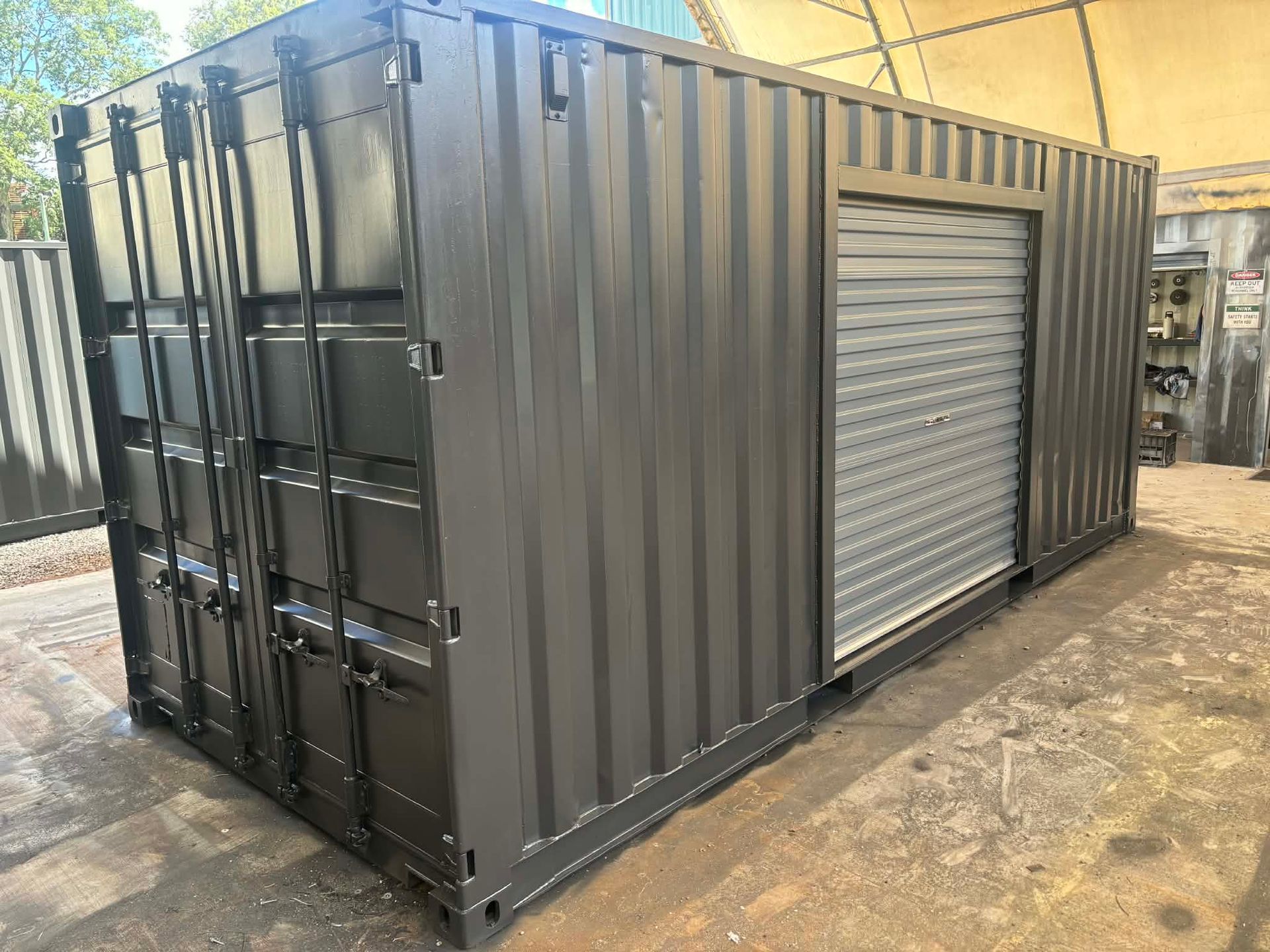
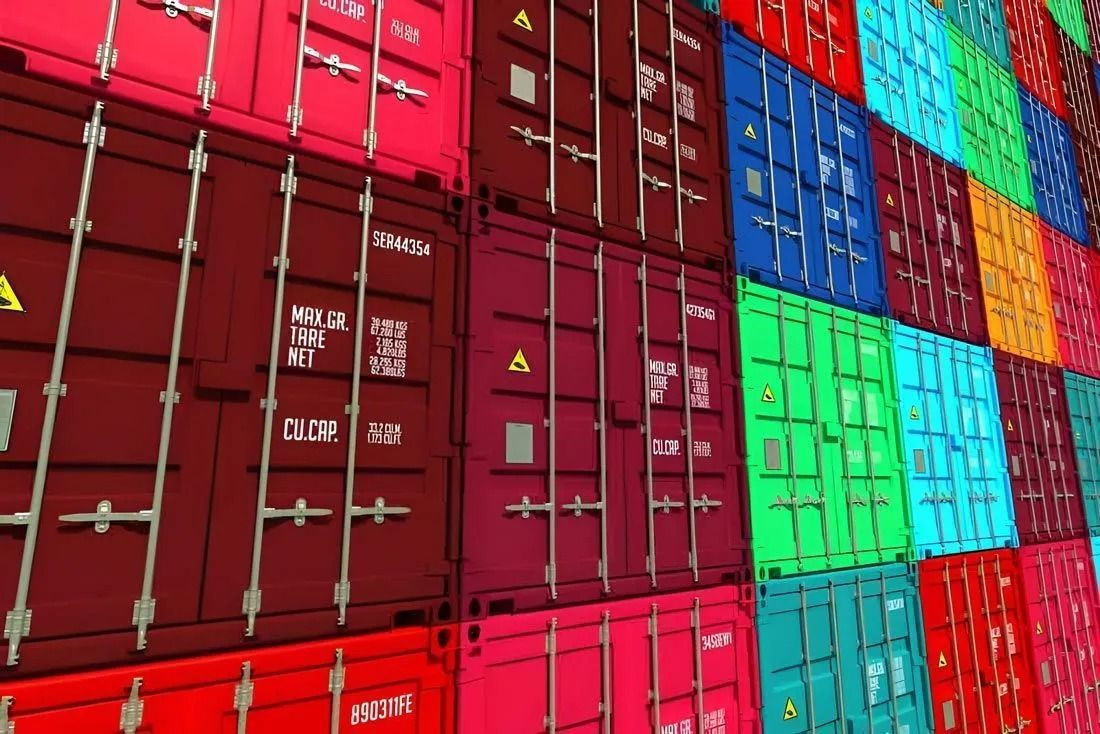
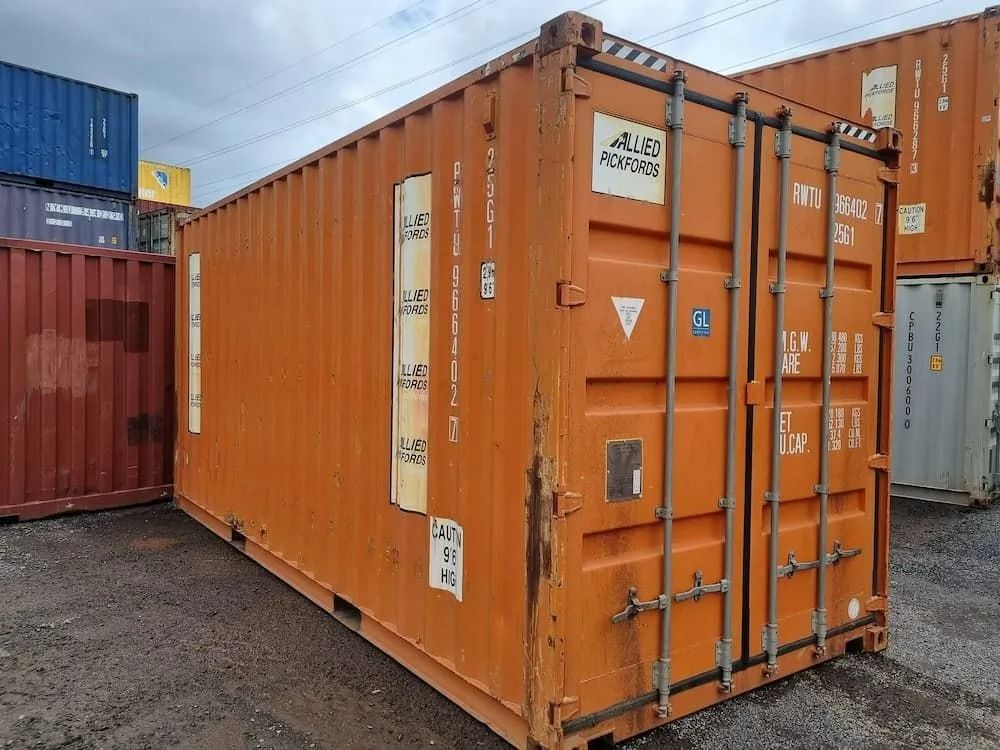
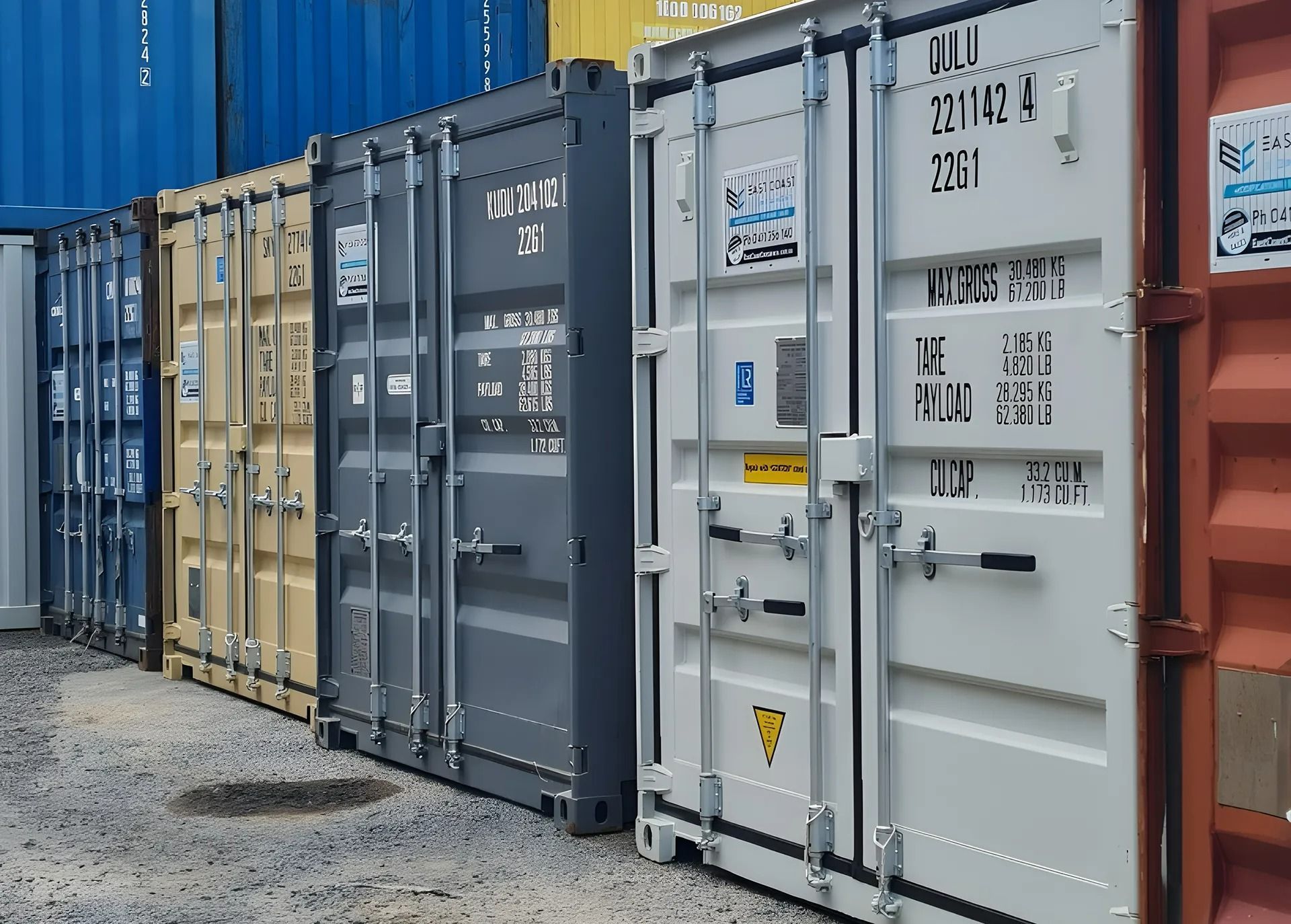
This is one of the most common questions, and the honest answer is “sometimes”. A shipping container can be cheaper than a shed if you want simple, secure storage with minimal modifications. Once delivered, it is already enclosed, weather resistant, and lockable, so you are not paying separately for framing, cladding, and roofing just to get basic protection.


A shed can be more cost-effective in other situations, especially if you need a larger footprint, open access, or a structure designed around vehicles or workshop use. Total price also depends on slab requirements, site preparation, engineering, and how much customisation is involved.


The real comparison is not only purchase price. It is total setup cost. For many buyers looking at shipping containers on the Sunshine Coast, the savings come from faster deployment and less construction work. For others, a shed delivers better value because the open internal area is more useful for the job they have in mind.


Installation Speed: Which Option Gets on Site Faster?

When speed matters, containers usually have the edge. Once the site is ready and access is confirmed, a container can often be delivered and placed quickly. That makes it appealing for properties that need immediate storage, temporary project support, or a straightforward secure space without a long build process.


A shed usually takes longer because it involves more stages. Even a simple shed may need design confirmation, slab or footings, supply coordination, and on-site assembly. That does not make it a poor option. It just means it is usually a slower one.


For Sunshine Coast properties where timing matters, containers can be attractive because they reduce the gap between needing the space and actually using it. If speed is one of your top priorities, that alone can make the decision much easier.


Durability and Weather Resistance on the Sunshine Coast

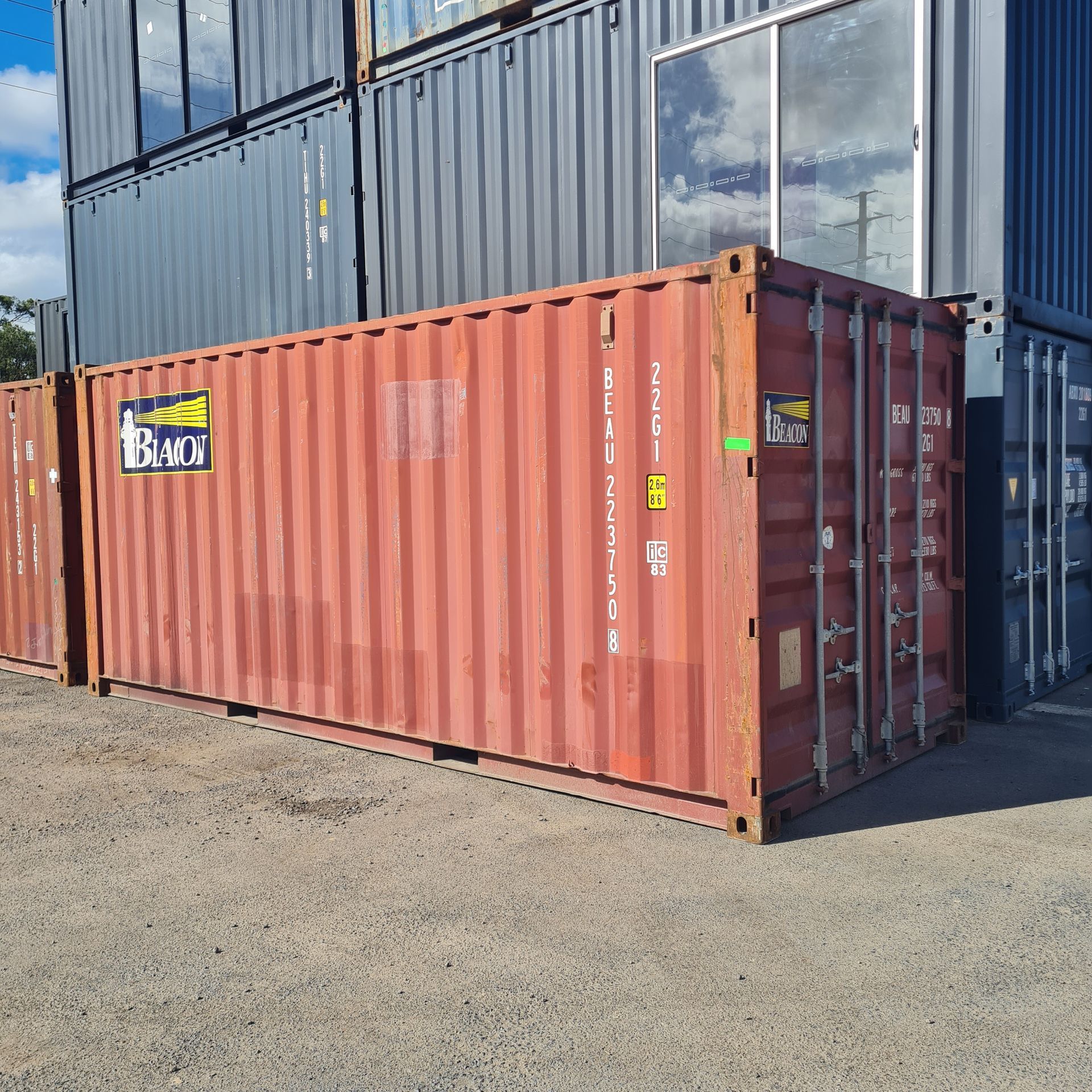
Both options can be durable, but they handle the environment differently. Shipping containers are built from steel and designed for hard transport conditions, which gives them a strong shell from the outset. They generally handle wind, rain, and day-to-day wear well when maintained properly.


Sheds can also be highly durable, especially when well designed and built with suitable materials, but their performance depends more on the quality of the build and installation. A well-constructed shed can last a long time, but it does not arrive as a single pre-built steel shell in the same way a container does.


On the Sunshine Coast, durability also means thinking about moisture, heat, storm conditions, and salt exposure in some areas. Both options need sensible placement and maintenance, but storage containers on the Sunshine Coast often appeal because they offer a sealed structure from day one and are built to cope with rough use.


Do Containers Need Council Approval? What to Check First

This is where many people assume containers are temporary and therefore exempt from all approval requirements. In practice, approval needs can depend on how the container will be used, how long it will remain on site, whether it is modified, and what local planning or building rules apply.


A shed may also need approval depending on size, placement, and use. So the question is not really whether containers need approval and sheds do not. It is whether the intended structure and use trigger council or building requirements for your property.


The safest approach is to check:

  • local council rules for your zoning
  • setback and placement requirements
  • whether the structure will be permanent or semi-permanent
  • whether electrical, plumbing, or major modifications are planned


For both options, approval should be checked early. That can save a lot of frustration later and helps avoid choosing a setup that creates issues once the project is already underway.


Storage, Workshops and Site Use: Where Each Option Fits Best

Containers usually work best where security, durability, and straightforward storage are the main priorities. They suit tools, stock, archives, site materials, rural equipment, and other items that need protection more than presentation. They can also suit temporary or relocatable use where flexibility matters.


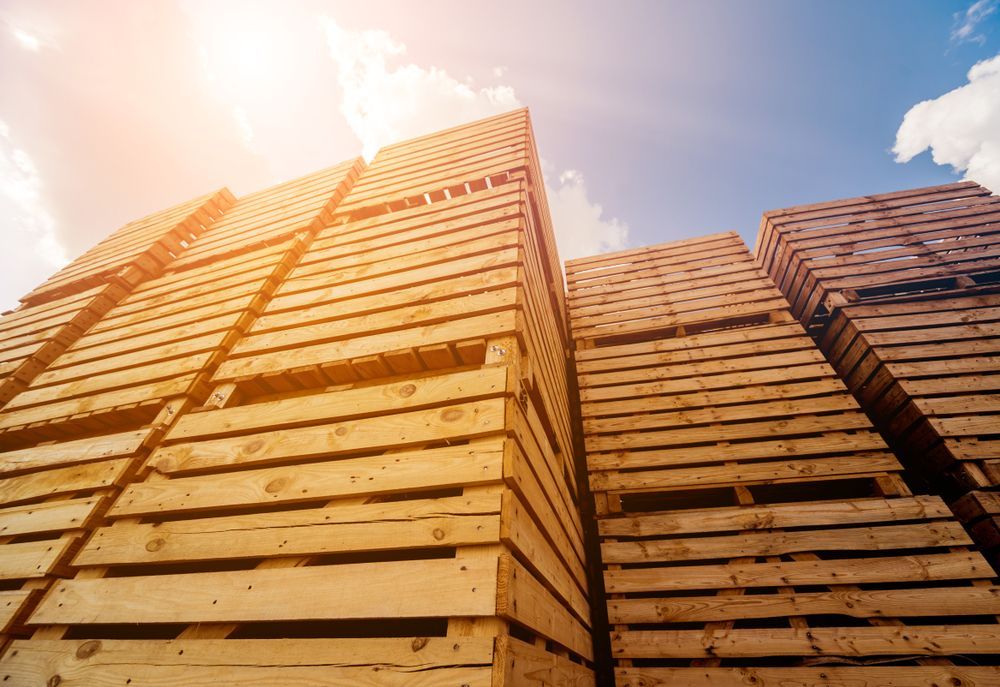
Sheds often fit better where the space needs to feel more open and functional. If you want to park vehicles, set up a workshop, store bulky items with wide access, or create something that blends more conventionally with other buildings, a shed may be the stronger option.


In simple terms, storage containers on the Sunshine Coast often win on secure utility and speed, while sheds often win on space, height, and openness. Which one suits better depends on whether you are mainly storing, actively working, or trying to do both.


Which Lasts Longer Over Time?

Longevity depends on maintenance, placement, build quality, and use. A container can last a long time because it starts as a heavily built steel structure, but it still needs sensible care, especially around rust prevention, drainage around the base, and any modifications made later.


A shed can also last for decades when properly built and maintained, but its lifespan depends more on how well the slab, frame, cladding, fixings, and roof system were designed and installed. A cheap shed may not age the same way a well-built one does.


So which lasts longer? There is no universal answer. A well-maintained container may outlast a cheaply built shed. A high-quality engineered shed may outlast a poorly maintained container. In practice, the better question is which one will stay fit for your purpose longer and with less ongoing effort.


How to Choose the Better Option for Your Property

The better option is the one that matches your site, budget, timing, and actual use. If you want quick, secure, durable storage with minimal setup, a container may be the stronger choice. If you want a more open structure for vehicles, regular workshop use, or a layout built around movement, a shed may suit better.


A practical decision usually comes down to:

  • how soon you need the space
  • whether security or open access matters more
  • whether you may want to relocate it later
  • what council or site requirements apply


Find the Right Storage Solution on the Sunshine Coast

We at East Coast Containers help property owners compare practical space solutions based on real use, timing, and budget. If you are weighing up storage containers on the Sunshine Coast or looking at shipping containers on the Sunshine Coast as an alternative to a shed, contact us to talk through the better fit for your property.

Find Us On Facebook www.localsearch.com.au Find Us On GBP Follow Us On Instagram
A shipping container that has been converted into a storage space.
By East Coast Containers April 16, 2026
When storage space starts to run short at home or in a business setting, shipping containers often become a practical alternative worth considering ...

A low-angle view of metal scaffolding against a blue sky with a yellow ladder leaning against the structure.
By East Coast Containers March 18, 2026
Construction sites rarely stay tidy for long; power tools, generators, safety gear and pallets of materials move in and out throughout the day.